
Townhall Meeting with H.E. Ambassador Ron Strikker, Dutch Ambassador to Ghana
February 2017, The Hague.
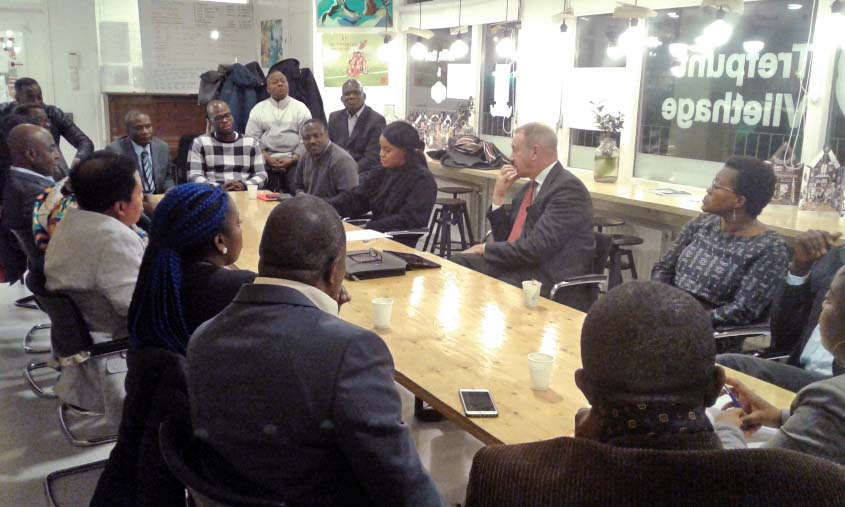
This meeting note captures a chat with Ambassador H.E. Ron Strikker from the Netherlands in Ghana. The main aim was to explore ways to strengthen ties between the two nations, focusing on themes like agriculture, healthcare, private sector, and water. The Ambassador highlighted how the private sector plays a big role, with organizations like RVO providing info and funding, while the Embassy guides you to the right connections. They also touched on Ghana’s shift off the Dutch aid list due to its trade ties with the EU and changing focus on poorer countries.
The audience included professionals, religious leaders, chiefs, business people, and community leaders; Ambassador Strikker introduced himself, highlighting his career and time as Dutch ambassador in Morocco and Ghana.
The meeting aimed to strengthen the relationship between the Netherlands and Ghana and deepen collaboration between the two countries. The Ambassador explained the Ambassadors Conference, an annual event where Dutch ambassadors return to the Netherlands for updates on domestic politics, technology, and future planning
Summary of the key goals in the meeting
The plans for the coming five years
● The Dutch mission supports Ghana primarily through four themes:
agriculture, healthcare, private sector, and water, focusing largely on
entrepreneurship via private sector involvement.
● The Ghanaian Embassy in the Netherlands will take on economic diplomacy
responsibilities to better support Ghanaian projects, with organizations like GMBCC and NABC providing valuable support and networking.
● Ghana was removed from the Dutch aid list because the focus shifted to
poorer countries; Ghana maintains trade relationships with the EU, though
efforts to engage with ECOWAS were complicated by Nigeria’s rejection
Questions on Migration, Consular Matters, and Investments
● The Ambassador discouraged dangerous migration routes, emphasizing job creation in Ghana through initiatives like “One district one factory” and promoting Dutch investments to stimulate employment via private entrepreneurship programs.
● A chief raised concerns about inconsistencies in Dutch passport issuance, indicating potential subjectivity by a particular official, Monique; similar complaints were voiced by others.
● Regarding visa criteria, the Ambassador clarified the consular regional office processes applications objectively and independently, assuring no single person decides on visa outcomes, and invited attendees to visit him anytime in Accra
How does the Dutch Embassy support Ghanaian entrepreneurs without directly funding them?
The Dutch Embassy supports Ghanaian entrepreneurs primarily by providing information, guidance, and facilitating connections rather than direct financial aid. They refer entrepreneurs to relevant organizations such as the Ghana Business & Corporate Chamber (GMBCC), NABC, and others that organize events and offer networking opportunities. The embassy leverages channels like the RVO (Netherlands Enterprise Agency), which holds information and potential funding resources, to help entrepreneurs identify suitable programs and support systems. This approach aims to enable entrepreneurs to find the right partners, access knowledge, and participate in initiatives that can lead to sustainable development and business growth.
What reasons did Ambassador Strikken give for Ghana being removed from the Dutch aid list?
Ambassador Strikker explained that Ghana was removed from the Dutch aid list because the focus is now more on poorer countries. Ghana has entered into its own trade agreement with the European Union, and there was an attempt to establish a deal with ECOWAS. However, Nigeria did not accept the treaty, which led Ghana to maintain direct contact with the EU instead of receiving aid through Dutch channels. This shift reflects a strategic decision to prioritize countries that are more in need of aid and support.